Hebei Shangshan Petroleum Machinery Co., Ltd. has carried out industry-university-research cooperation with Beijing Information Science and Technology University. The two parties have successfully developed the control system for a 500-ton tensile testing machine and the control system for the bow-spring casing centralizer test complying with API Spec 10D 7th Edition. The development has comprehensively improved the automation, precision and standardization of performance testing for petroleum machinery, and provided core technical support for the R&D and quality control of the company’s high-end cementing equipment.
Guided by the practical demands of the enterprise and supported by the university’s technical expertise, this cooperation targets pain points in mechanical property testing of petroleum machinery to custom-develop two sets of dedicated intelligent control systems. The total project budget amounts to RMB 400,000, with the R&D period spanning from July to December 2024. Leveraging their respective strengths, both sides efficiently completed scheme design, software development, system integration, on-site commissioning and acceptance delivery, enabling rapid commercialization of technical achievements.
The control system for the 500-ton tensile testing machine is designed for high-strength tensile testing of large-tonnage components. It adopts coordinated data acquisition using displacement sensors and multi-channel pressure sensors to achieve high-precision measurement of hydraulic cylinder displacement and axial force, with a system measurement accuracy of 0.2%. The equipment supports manual/automatic dual control modes, can continuously record test curves for no less than 8 hours, automatically generate standardized test reports, and allows custom setting of safety pressure. It features automatic pressure relief protection upon overpressure, which effectively ensures test safety and stable equipment operation, meeting the requirements for strength and reliability testing of large petroleum machinery components.
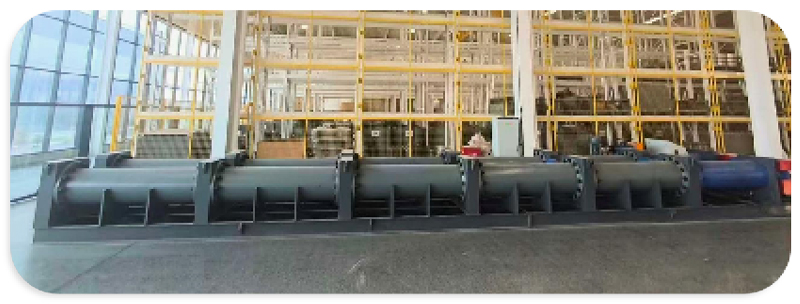
The control system for bow-spring casing centralizer tests in compliance with API Spec 10D 7th Edition is developed in strict alignment with international standards and fully adapted to the test procedures specified in API Spec 10D. It can automatically complete tests on key performance indicators of centralizers, including starting force, running force and restoring force, with no manual intervention throughout the whole process. It delivers standardized workflows and authentic, traceable test data.
Equipped with high-precision data acquisition, real-time display, long-duration curve recording, automatic report generation and overpressure safety protection functions, the system fully meets the international certification requirements of the oil and gas industry. It provides critical testing support for product export and access to high-end markets. This system is the first domestic test control system tailored for API Spec 10D 7th Edition.
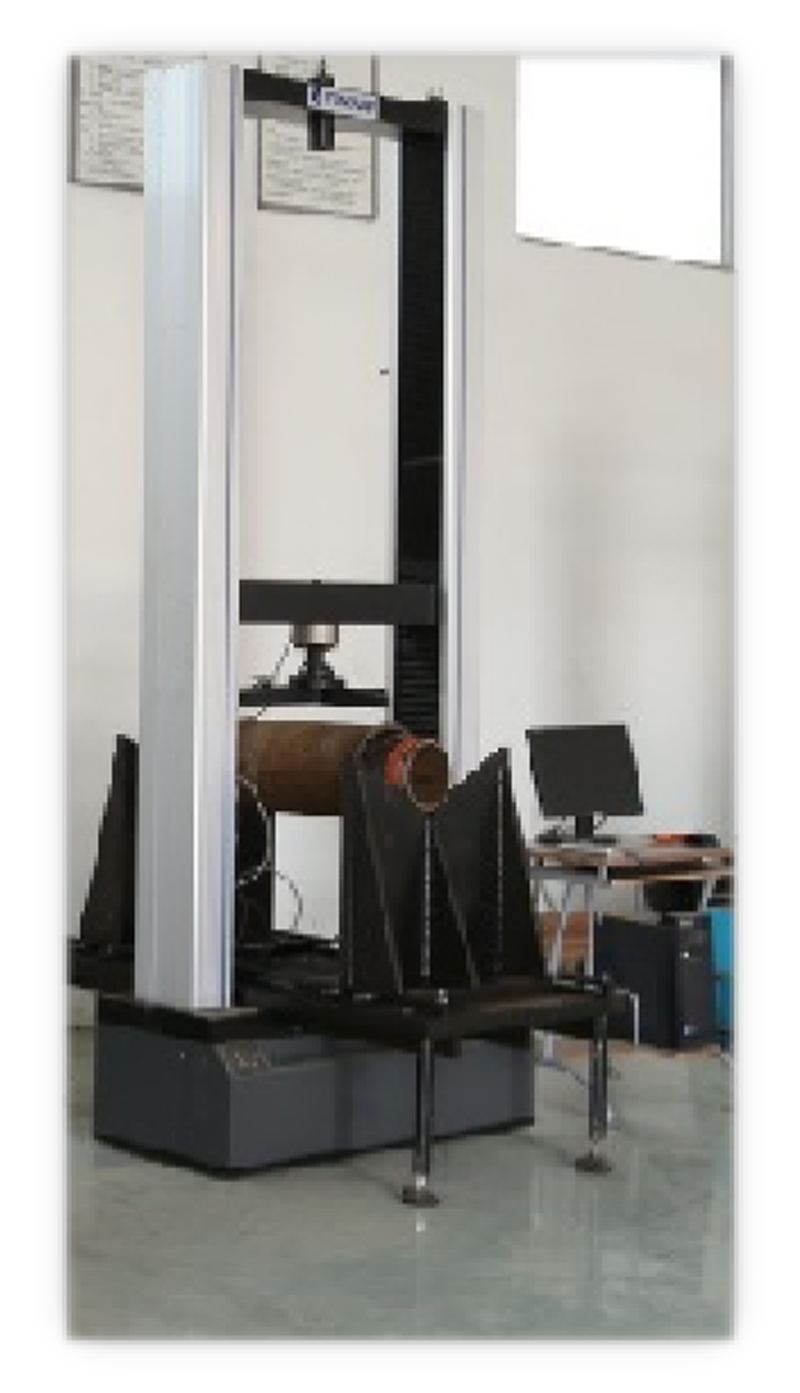
During the project implementation, Beijing Information Science and Technology University leveraged its technical expertise in intelligent measurement and automatic control, undertaking the system scheme design, software development, system integration and commissioning. Hebei Shangshan Petroleum Machinery Co., Ltd. provided component drawings, standardized test procedures and on-site test conditions, and assigned dedicated personnel to conduct full-process supervision, ensuring that the R&D achievements are highly compatible with actual production and testing requirements.
Both parties completed all phased milestones on schedule. The system scheme design was finalized in August 2024, the preliminary system online operation was realized in October 2024, and functional optimization and project acceptance were completed in December 2024. The final deliverables included control software, technical reports, software copyright certificates and user manuals, together with completed on-site commissioning and operational training services.
The successful development of the two sets of control systems marks a significant achievement of in-depth industry-university-research integration between enterprises and universities. It not only fills the company’s technical gap in the field of high-end intelligent testing equipment, but also substantially improves test efficiency, data accuracy and standard compliance. Furthermore, it effectively promotes product quality upgrading and enhances the company’s international market competitiveness.